Smart Buildings Need a Technology and Security Architecture
Smart building value comes from connected systems that improve operations and occupant experience. Connection without architecture creates fragmented risk.
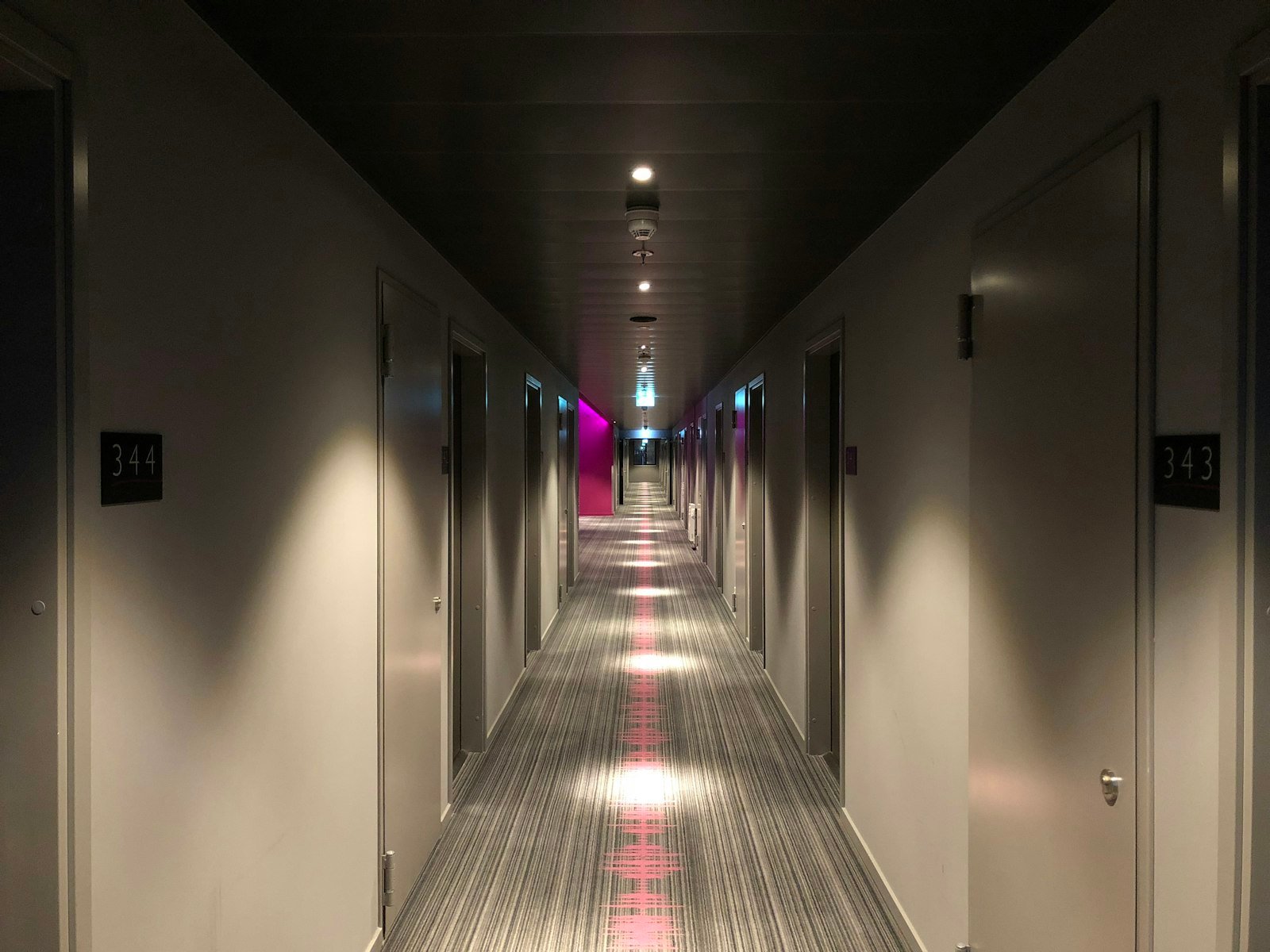
Modern buildings combine access control, HVAC, lighting, energy, sensors, digital signage, workplace applications and cloud platforms. These systems are often delivered by different vendors and managed by different teams. A shared technology and security architecture helps the building operate as one environment rather than a collection of isolated products.
Start with operating outcomes
Technology should support clear goals such as energy efficiency, space utilization, maintenance, safety or tenant experience. A sensor is valuable when its data changes a decision or workflow. Outcome-based design prevents unnecessary devices and integrations.
Create clear network and identity boundaries
Building systems should not share unrestricted access with enterprise networks. Remote support, vendor access and administrative identities need strong controls and monitoring. Asset inventory and segmentation reduce the effect of a compromised device.
Plan for lifecycle and ownership
Buildings operate longer than many software products. The architecture should address updates, vendor support, replacement and data ownership. Facilities, IT and security teams need shared responsibility and documented escalation paths.
What leaders can do next
- Define the operational outcome for each connected capability.
- Create an inventory of devices, systems and vendors.
- Segment building technology and control remote access.
- Assign lifecycle, data and security ownership.
Closing perspective
A smart building should be easier to operate, safer to use and more responsive to people. Architecture connects the physical experience with reliable digital control.
Talk to an advisor.
Explore how F Creative Studio 360 can help you turn this idea into a secure, measurable initiative.
Contact our team